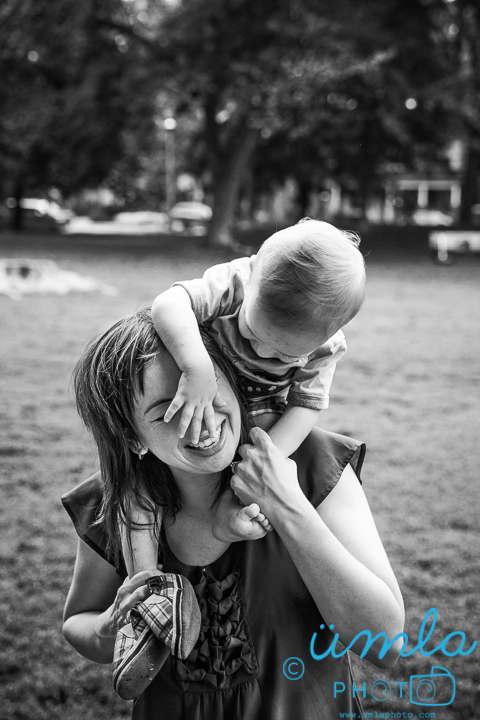
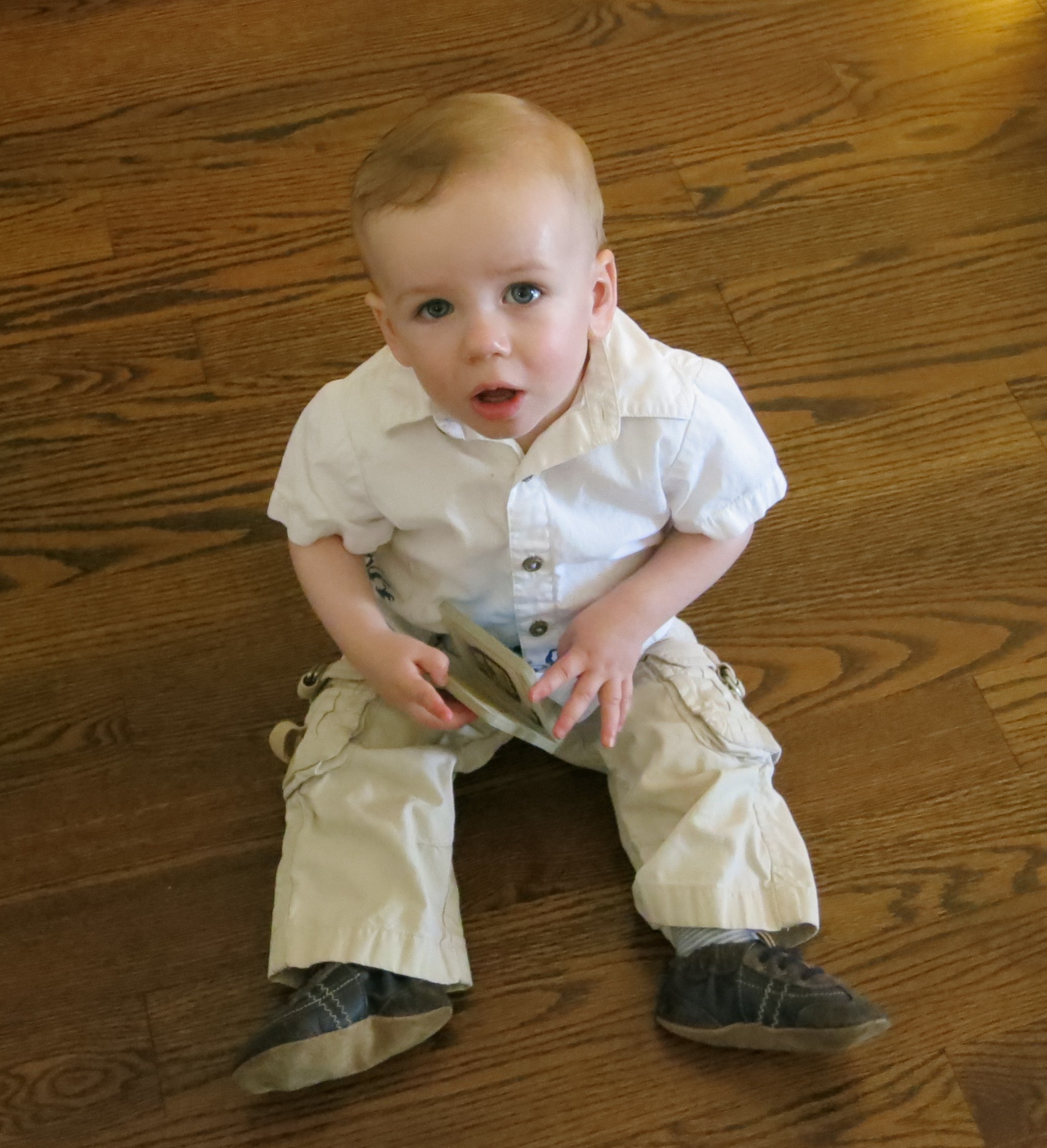
The First 3 Months – The Basics

I actually wrote almost this entire post a few weeks ago, but when I logged in the following day to finish it up, the whole thing was gone! Hopefully I’ll be able to get through writing it all again in time to post in a timely manner…

Baby Boy #2 turned 3 months old a few days ago. This means that the period commonly known as the fourth trimester, or alternatively as the 90 days of hell is now behind us. Given this milestone, I thought it was a good time to report how we are all doing.

First, a note about nomenclature – throughout this blog, I’ve referred to my older son as “Baby Boy”, however there is now a new Baby Boy in the house (in da house!), so to keep things simple from here on in, I’ll refer to my older son as “Gus”, and to my younger son as “Squeak”. Secondly, I won’t get into details of the birth story in this post, other than to say that Squeak arrived as expected, via a straightforward planned c section. If I find the time, I’ll write some more about that whole process, but for now I’d like to focus on what’s happened since.

Newborn babies do little other than eat and sleep (or at least it seems that way compared to our active 2 year old!), and the first two questions that everybody, from friends and family to the stranger in the grocery store asks a new parent are “How is baby sleeping?” and “How is baby eating?”. Unfortunately, simple as these two things seem to us adults, these are often loaded questions due to the myriad difficulties that new parents experience. So, below here is the skinny on Squeak…

Eat

I’m am thrilled to report that Squeak is a breastfeeding champ! He latched on in the recovery room post birth and has not looked back. I had all sorts of issues with breastfeeding Gus, but this time around things could not have gone smoother. While last time, we went through a period of cup feeding, syringe feeding, finger feeding, and nipple shields in order to get Gus to take breast milk, Squeak has so far only been fed either directly from the breast, or via a bottle of breastmilk. It is impossible for me to communicate just what a whole world of difference breastfeeding this time around has been.

We introduced the bottle to Squeak at around two weeks so that he would be used to if/when I needed/wanted someone else to feed him. On a typical day, he gets 1 or 2 bottles, which I give when we are out and about, and/or around dinner time. We often have family dropping in around dinner, and it’s a nice option to let one of them feed Squeak while I am getting dinner ready. It makes for a nice bonding experience and a better visit all around than being stuck watching me breastfeed.

To date, we have not had to supplement with formula, and I even have a formidable freezer stash as a backstop. With Gus I pumped several times a day for bottles to be used that day or next, and did not get any sort of freezer stash going until he was 7.5 months old (the month before he went to daycare). At that point, I made a concerted effort to devote one pump a day to building a freezer stash such that 1 of his 3 daycare bottles could be breastmilk.

This time around, I started out pumping 15 minutes once a day. My supply has been very good, so very quickly one pumping session would yield enough milk for 2-3 feeds. As I was only giving 1-2 bottles a day, in no time I was running out of space in my freezer (we do not have a stand alone freezer, so space is at a premium), and I have since taken breaks from pumping as I use up some of the stash.

We have also been successful with being more adventurous with breastfeeding this time around. I have breastfed Squeak out in public several times now, something that I never did with Gus (I was not able to ever figure out the proper positioning with him). I’ve also really enjoyed breastfeeding lying down with Squeak. We started this when he was about a week old, and got the hang of it the first try. Gus was six months old before I attempted this position with him, and it took us multiple tries over many days to get the positioning right before he would successfully feed lying down.

I have also been able to keep the mastitis mostly at bay. While with Gus I had two back to back infections (one of which was particularly nasty), this time around I had one mild case. I was actually really on the fence about whether to bother with the antibiotics, but after an evening spent massaging my breast in a hot bath, followed by hours of almost non stop sucking from Squeak did not help the pain, I decided it was better to be safe and nip the infection in the bud rather than risk it getting out of control.

I wrote several long breastfeeding posts about my experience with Gus, so rather than get into more comparisons, let’s just say that just about everything (everything?) is completely different (i.e. better!) this time around.

Sleep

While I am extremely lucky that both my boys seem to be naturally good sleepers, I think Squeak’s sleeping patterns are more typically babyish (i.e. worse) than Gus’ were.

Gus was sleeping eight hour stretches at night within a week or two of coming home from the hospital, and very quickly was able to do ten hour stretches. Ahh, those were the days! He was not a big napper during the day though, and would easily stay awake for four or more hours at a time. In addition to the napping pattern, another reason why I think he slept longer at night is that he was able to fill up quicker on fewer feeds. Almost right from the start, Gus ate only 5 times a day (every three hours during the day, and then the longer stretch at night), and was taking bigger bottles much quicker than Squeak is, which I think helped him sleep longer right away.

In contrast, Squeak has been eating 7-8 times a day steady, or every three hours pretty much around the clock. I do load him up on an extra feed in the evening to give him a longer stretch of sleep at night, and  by about 6 weeks, he was consistently doing a 5 hour stretch at night. Then there was a glorious period where this 5 hour stretch changed to 6 hours, to 7 hours, and then to two nights of 8 hours.

Sadly, after those two 8 hour nights, in the last week or so we’re back to the long stretch being 4 hours max. I have no idea what has changed, but am hoping it will change back again soon.

As I mentioned above, the boys’ day time sleep patterns are also quite different. While Gus was able to stay awake (and in good humour) for long periods of time even as a newborn, I don’t think Squeak has ever been awake for longer than two hours! The first week or two he slept pretty much all day long, to the point where I was waking him for feeds during the day, and doing everything I could to keep him awake even a few minutes so that he would sleep better at night (as his only real awake time fell between 9 and midnight, or exactly when we’d like to be putting him down).

Related to both eating and sleeping, another big difference is that Squeak has been a Gassy baby. Early on, the hardest part of his sleep at night was not the number of times that he woke up, but that he would not fall back asleep easily after his night time feeds. He would grunt, snort, fart, and get disturbing wet sounding hiccups (almost sounded like he was choking). We’re now giving him probiotic drops, which I think have helped calm his system down. He is still quite farty, but has made progress on everything else (though recently with the poorer sleep habits, I find that getting him back to sleep is again hit or miss).

So that’s the skinny on the basics! I’m hoping to write some more posts about how things have changed for us going from one to two kids 🙂



The Unexamined Pregnancy – Part 2

That was easy!

That was easy!

I hadn’t meant to make this a two part post, but after the last post got too wordy, I figured it was time to shut it down and start over again (after all, I have 9 months of pregnancy to catch up on). Some random musings are below.

Differences this Time Around

Once the initial disbelief that I was pregnant again subsided, I was able to very quickly get comfortable with the idea that this pregnancy would again result in a take home baby. While I was  pregnant with Gus, I believed that I did a good job enjoying my pregnancy, without letting the past trauma of infertility and pregnancy loss affect me too much. However, it was only with this pregnancy that I realized how far I still had to go emotionally and mentally last time around.

Despite being fortunate to have straightforward pregnancies both times, I did have a fair bit of anxiety while pregnant with Gus. I was very conscious of how hard we’d worked to become pregnant, and hyper aware of all of the things that could go wrong. I was grateful for every milestone that passed – I still remember counting down to the magical 24 week mark, at which point if you delivered, your baby would have a fighting chance of surviving. I also remember how I felt in the days leading up to our anatomy scan – the excitement of getting a detailed look at our baby overshadowed by the fear that the scan would reveal that something was horribly wrong. I even remember sitting in his nursery in the few weeks leading up to my due date, and feeling sudden terror that it was not too late yet for something to go wrong, and that if it did, it would be the end of me.

This time around was a world of difference. By the middle of the first trimester, I just knew that things would work out. While the pregnancy with Gus felt like it lasted forever, this pregnancy has flown by. Every time I checked in with how far along I was, it seemed like a few weeks had passed since I last thought about it. While I generally saw this as a positive development, and a sign of healing, part of me also wanted to slow things down so I could savour and appreciate every moment. While the anxiety I’d felt with Gus was not present, I did worry from time to time that I was taking this pregnancy for granted, and letting it fly by too quickly.

The Gender Reveal

As I alluded to above, physically this pregnancy has been very similar to the last one, down to the fact that I am carrying another boy.

Like many couples, we were excited by the possibility of having a boy and a girl. We had the perfect girl name picked out (first and middle), which we’d come up with while pregnant last time, while we were drawing a blank on boy names. Early on in the pregnancy, I found myself peeking at the adorable baby girl clothes when shopping for clothes for Gus. I fantasized about what my daughter would look like. And yet, the second I found that out we were going to have another boy, the desire for a girl melted away.

Instead, I realized I could stop sorting Gus’ old clothes into “boy” and “gender neutral” boxes, and stop the practice of the last few months of buying new clothes for him that were more gender neutral, in case they were to be passed down to a girl down the road. I appreciated that I could relax a bit with the toy budget for Gus (both in terms of money spent, and space available to store everything) now that there were two boys who would be enjoying everything, instead of needing to budget for future purchases of equivalent girl toys. I was suddenly grateful that I would not have to figure out what my stance was on “princess culture” and how much I wanted to limit its impact on my daughter (and that down the road I would not have to deal with the stress of her dressing too sexy at too young an age).

Aside from the more immediate benefits of having two boys, I felt an excitement about down the road being the mother of two strong, capable men.

Recently a friend asked me if we would try for a third baby to “try for a girl”. I have enough issues with people asking about your plans for future children shortly after (or in this case even before) the current child is born, not to mention a distaste for any mention of “timing” pregnancy or trying for a certain sex. Despite my usual inability to think of the right answer to these types of questions until the moment had passed, in this case I was able to answer without skipping a beat that at this point we were not planning to have more children, but if we did decide to try for a third, the motivation would be to have a third child, and not to try for a girl.

And I actually meant it! I’ve so bought into my role as “mother of boys” that if we did end up having a third, there is a big part of me that would be expecting, and hoping for a third boy.

I’m working on another pregnancy related post, so stay tuned!

The Unexamined Pregnancy – Part 1

IMG_4898


I will probably be shutting down this blog soon, mostly due to the fact that I never seem to get around to  writing here (some combination of time and motivation). I’m also not sure (notwithstanding the above photograph) how comfortable I am with posting pictures of my child(ren!) on the internet  where anyone can access them and do with them as they please. I have considered password protecting posts, watermarking the photos, and other measures, but given that there are about, oh maybe 3 other people who even bother reading this blog other than me, nobody would even miss it, so simply taking it down, or making it completely private may make more sense.

In any case, if I do take it down, I have wanted to write a few final posts to wrap up, as there is nothing more annoying than an abandoned blog, especially given the somewhat cliffhangerish tone of my last post.

When I last wrote, I was in the two week wait of our first embryo transfer for baby #2. I was six days post five day transfer and planning to do a pregnancy test the following morning – at 7 days post transfer, or approximately equivalent to 12 days post ovulation.

This was the same schedule I followed after my transfer with Gus, except that with Gus, my motivation was different. Last time, I just KNEW that I was pregnant. While I am not someone who gets much (if any) pregnancy symptoms early on, there were a few subtle things that convinced me I had an embie (or embies) snuggling in. At four days post transfer, right on cue based on an IVF timeline I read, I was sure that I felt something implanting. It was a feeling like I’d never felt before….the best way I can describe it is that it felt like something was gently tickling me from the inside. I remember wondering if I was imagining it, and touching my stomach in the place where the tickle was, and each time my touch made it feel a bit more intense. This happened on a Friday, and over the course of that weekend, I became more and more convinced that I must be pregnant.

By Sunday evening, I decided that I was going to test on Monday morning, so that I could (most likely) start celebrating the pregnancy, or if for some reason I was wrong, bring my expectations back down to earth. Sunday night before going to bed, I had another strong sign that I was pregnant – I had some spotting, which I just knew was implantation bleeding.

Fast forward one hundred and four weeks, and I felt the complete opposite. Based on my past pregnancies, I knew enough not to expect any of the “typical” early symptoms such as nausea, heightened sense of small, painful breasts, or fatigue. But at four days post transfer, I tuned in to my body very carefully, being mindful so as to catch the slightest twitch, cramp, or tickle. And I felt…nothing. I continued being vigilant over the weekend, but there was still nothing.

By Sunday night, in addition to the usual lack of symptoms, there had been no twitches, and no spotting (no matter how hard I wiped). I was sure that the cycle had failed in a way that I had never been more sure of something. In my mind, I was already planning the timing for the next cycle and starting to mentally move on.

As it was our first assisted try for baby #2, (after only 2 months of “trying” on our own without any pressure/expectation that natural conception would happen), I felt like the failure was not only unexpected, but also that it would not be that difficult to process. After all, I had not really “earned” the right to be successful yet. The road to baby #2 needed to be longer and more difficult than this, and I could deal with it. We still had four embryos in the freezer, and would be transferring at least the next two one at a time, so I felt like we were far from panic mode.

This time around, the decision to test Monday morning was made so that we could officially close the door on this cycle and look ahead to the future (while continuing to be grateful for and cherish the child we did have). So, as I did 104 weeks ago, I went to the bathroom as soon as I woke up, pulled out my favourite brand of pregnancy test, which I’d purchased the night before, and peed.

I watched the light pink colour spread across the window, and the control line come into focus. As the pink continued to spread, I was shocked to see what looked like the faintest of faint second lines. I remember my husband coming into the bathroom with a concerned look on his face as I sat there staring at the test (I’d warned him that I was expecting a negative test). “What do you think? Do you see it?” I remember asking him. He nodded. “There’s definitely something there.”

Even seeing that second line was not enough to convince me I was pregnant. The line was very faint, and that first day I was convinced it signalled that a chemical pregnancy was coming. I had been through a chemical pregnancy before, so I knew what to expect. My husband and I were not yet ready to be cautiously optimistic – instead we agreed that “something” was happening, but it was too early to know what it would turn into.

Every morning that week, I tested again, and every morning the line got darker. The implantation bleeding I’d been looking for also arrived, though a day or two later than last time. My blood test was Friday, and by then I was getting comfortable that my beta results would be quite good, given that it looked like they had been rising since at least Monday. Sure enough, the bloodwork confirmed that I was definitely pregnant, with a very respectable beta result.

I still couldn’t quite believe it though – the pregnancy still felt precarious to me. My second bloodtest also came back with a strong result, with the appropriate doubling time. While the first bloodtest for this pregnancy was a day earlier than my test for Gus, in both cases, the second tests were 15 days post transfer. I was curious how they compared, and was shocked when I saw that my results were actually higher this time around than with Gus. It was only then that it really sunk in for me that I was pregnant again.


Hello Again!

Yup, I’m still here 🙂 It’s been a while, and I have all the usual excuses, on top of a busy summer with lots of time away without my computer. So, I haven’t been blogging (or as active on social media in general) for all of the right reasons. I have about half an hour to go before Gus wakes up from his nap, so I thought I should sneak in a quick post. I don’t have the time to write something well thought out on any one topic, so instead I’ll do a summary update of where we are at these days.

Conceiving Baby #2

As I alluded to in my most recent posts, we are now trying to conceive again, and I’m still getting used to how things are different/similar the second time around. We are still very early in the process…we tried on our own in July and August (though my post partum cycle so far is not very conducive to conceiving – my luteal phase is way shorter than it should be), and did a frozen embryo transfer this month. Going back to fertility treatments is a post or ten on its own, so I’ll keep it brief here.

I am currently PUPO (pregnant until proven otherwise), sitting at 6 days post (5 day) transfer. I am planning on testing tomorrow morning with official bloodwork on Friday, so rather than write a whole lot about what if this/what if that/ I’ll leave the speculation and planning until I know if I am pregnant or not. I have a suspicion of what the answer is, but again, no sense wasting words on that now since I’ll know for sure soon enough.

Baby Boy’s Development

Gus will be 15 months tomorrow, and as can be expected of a little boy his age, he is busy, busy, busy! I’ve been lazy with pictures this past month (as in have not taken any), but am hoping to get some good shots in later today and I will post an updated picture soon. Baby Boy has been walking since he was 12 months, and really in the last two months, running is the more appropriate descriptive term. In general, I have felt like he is not on the busy end of the spectrum for little boys his age, given his generally mellow and chill personality, but after this weekend I may decide otherwise.

The communication has not come as easily to him, which I guess again is par for the course with boys. Over the last few months, he had a total of three and a half words: ball, wawa (water), up, and (half word) da (daddy). He would also say mamamama when he wanted something (maybe trying to say “mine”?). We tried baby sign language with him early on, and I revisited it when we went on vacation for two weeks, but he has been pretty much a total zero on that front (not even picking up on our repeated efforts to teach him “more, more more”).

In just the last week though, I have seen a jump in his ability to communicate with us, and in his words. When we went away to do our embryo transfer, we left him with my mom for his first overnight away from us, and when we came back he’d learned to say doggie (apparently our cat is also a doggie, as we learned when we brought Gus back home!). He now consistently says dada, and all done (even doing a bit of the “all done” sign as he says it), and is starting to use “hi” and “bye”. I’ve also noticed him trying to imitate us more, and when I’m taking him on walks, he will repeat a string of syllables that I say (stuff like “da da, uh huh, doggie”). So, I think over the next little while, the words and gestures are going to explode.

Food

As many of my posts have been about food and eating, I thought I’d give a brief update on that. Despite my earlier efforts at trying lots of new foods, I found that over the summer I’ve gotten quite lazy with Baby Boy’s food. I’m pretty good with protein and fruit, but over the summer, his vegetable intake while not at daycare consisted almost wholly of corn (which he loves eating right off the cob!). I realized this the other week though, and after getting a new website for recipe ideas from a friend (www.littlegrazers.com), I’ve got my cooking/baking mojo back!

It sounds like nap time is over, so I’m off! Hopefully will write more in the next week.


Here We Go Again – the Good

After laying the groundwork the last few months, my husband and I are ready to start trying for another baby. We are officially kicking things off with a frozen embryo transfer in September, however we have this month and next to give it a shot the old fashioned way. I actually realized just last night that we don’t need to wait until August, as the medical reason for holding off another month would resolve itself in time for us to give things a go in July. As in anytime in the next few days. Whoa!

I am keeping an open mind about the next two months, and trying to walk a fine line between “don’t expect anything” and “anything can happen”. Ultimately, my husband and I would like to give our frozen embryos a shot at life, and September already feels like it’s right around the corner. Therefore the next two months do not loom like a frantic final push at a miracle, nor does it feel like time will crawl until we finally get to the transfer date. Already, this is very different than my most recent experiences of trying on our own before conceiving Baby Boy.

Ever since visiting the fertility clinic last week for bloodwork and a sonohysterogram (SHG) to check out the state of my uterus, which resulted in getting the all clear for September’s transfer, the possibility of another baby has been on my mind almost non stop. I have been exploring this possibility from many different angles, some of which are incredibly exciting, while others are downright terrifying.

Two weeks ago, I popped into a baby store on my way home from a doctor’s appointment. It had been some time since I’d gone to a baby store, as Baby Boy doesn’t want for much, and when something does come up, I usually manage to order it online. As I took my time perusing all of the beautiful and well thought out products the store had on offer, out of nowhere I felt myself transported back to my third trimester of pregnancy and Baby Boy’s early days, when visits to our local baby stores were a weekly occurrence. The rush of feelings that washed over me is hard to explain, but I felt overwhelmed that I may be blessed enough to experience that magical time again, but with a whole new baby who I have yet to meet.

I have gotten so used to being a “mom of a boy” that I have trained myself to walk by or see past all of the baby girl stuff, but on this day, I stopped to look at little pink booties and frilly bibs. The realization suddenly hit me that while I will always be a “mom of a boy”, I may not end up being a “mom of boys”; I may also get to experience what it is like to have a little girl. Again, it is hard for me to find the words to express how tantalizing this is, at this stage in the game when anything seems possible.

So this is the good, the hopeful, the exciting part of where I am at right now, as I consider the real possibility of another child in our future.

Crossing the Great Divide – Part 1

A picture from our professional photo shoot the day before Baby Boy's birthday!

A picture from our professional photo shoot the day before Baby Boy’s birthday!

Baby Boy turned one recently, which means that it’s been just over a year since I became a mother. There is an argument to be made that I was already a mother to the babies that started developing in my womb but did not make it, or to the embryoes created during our IVF, but in this post I want to focus on motherhood in the traditionally understood sense of the word: a woman with a child. As someone who struggled with infertility before becoming a parent, it has been interesting for me to explore over the last year to what extent my experience of infertility impacts my identity as a parent, and vice versa.

While we were trying to conceive, as the months and then the years passed by, I found myself detach more and more from the world around me. The experience of infertility is very isolating, and sometimes it felt like every day brought fresh reminders of how different our reality was from that of our friends, colleagues, and society in general.

When you are first trying to conceive, the initial months are unremarkable: you have sex at the “right time of month”; you read the first chapter of pregnancy books to make sure you’re doing all the right things to conceive; you imagine how your life will change when you have a baby; and then you wait to see if your period will arrive on schedule or not. It is very easy to find community and common ground with friends and strangers alike when you are in this stage.

As the months go by, you start to get discouraged, but it still feels like pregnancy is just around the corner. You did not get pregnant the first month trying, or even the second or third, but your experience continues to be unremarkable. At some point though (and this point is different for everyone), you start to notice a divide between your experience and what you have read or heard about. As you go further and further down the road, the divide becomes greater. Key events that signify that your experience is no longer “normal” may  include trying for over a year (and realizing you are now considered infertile), experiencing pregnancy loss, and the initial visit to a fertility clinic. Suddenly, you realize that you do not know anyone who shares these experiences (or maybe you do, but they have kept their struggles to themselves).

Realizing that you have to rely on a fertility clinic to help you conceive is a difficult thing to deal with, as is having to go through the testing and investigations required to narrow down what the problem is, and once identified, learning to accept the problem. Lying in bed after having sex, as you think of baby names for your likely newly conceived baby is a distant memory. There is another divide once you start fertility treatment, and then a further one when you move on to IVF, with each step leading to further isolation and loneliness as your story becomes more and more removed from the typical narrative (there are further divides, but I will stop there, because that is where my experience stops).

Once you become pregnant, the struggles do not stop. You are now part of a sisterhood that you have been yearning to join, and you are closer than ever to achieving what has often felt like a distant dream.  But, even though you are ridiculously happy, the divide is still there. While from the outside you look like any other pregnant woman, as soon as you speak to other pregnant women, or parents of young children, you are reminded of how different you still are. While they are complaining of the normal pregnancy aches and pains, you are terrified that there is something wrong with your baby, and are closely watching for pregnancy complications that could impact your baby’s health. You cannot relate to the experiences described on pregnancy websites.  Even though you are pregnant, you are still infertile.

And then you give birth to a healthy baby. You take your baby home, and your new concerns become feeding your baby, sleep (theirs and yours), and making sure baby is reaching their developmental milestones. You learn about teething, fevers in babies and starting solids. Perhaps you struggle with going back to work, and how to find childcare for when you do.

You find community with other new parents and find that they have all the same concerns. It does not matter how their babies got there; you are all in the same boat now. Sometimes you think you love your baby more because of how much you fought to bring them into the world, but then you see how they look at their babies, and how tenderly they hold them and you realize that they love their babies just as much.

And this is where I find myself today. I am first and foremost a parent. Whether I am talking to my friends who also had babies in the past year (without the experience of infertility), or whether I am reading my twitter feed filled with tweets from women parenting after infertility, the concerns are the same. We all want what’s best for our babies.

When politicians speak of family friendly policies, they are now speaking to me. At work, or at social gatherings, I can finally contribute to the conversations about the joys and challenges of having children. The huge weight that was on my shoulders has been lifted. The feelings of isolation, of “otherness”, of feeling different are gone. I have crossed the great divide.

(To be continued in part 2)

On Gratitude

Gus at 11 months - just hanging out!

Gus at 11 months – just hanging out!

It’s been a while since I’ve written a post that is focused on Baby Boy, and how amazingly grateful my husband and I are to have him in our lives. Baby Boy is nearing his first birthday, so it’s a good time to reflect on how much our lives have changed for the better since he was born. I do not consider myself to be a religious person – probably the best description is that I lie somewhere between lapsed Catholic and agnostic. My husband (while perhaps further along on the “religious” continuum than I am),  is of a similar persuasion. That said, we do have a habit of saying grace before our meals together. It’s a simple, standard prayer, which I imagine my husband learned as a small child, thanking God for our food and each other.

Throughout the years that we were trying to conceive, my husband added a simple sentence at the end: “And we pray for babies”. When we finally became pregnant with Gus, we continued to say our modified prayer, but we changed the last sentence to something more appropriate like “We pray for the pregnancy”, or “We pray for our baby”. And once Gus finally arrived, we changed the last sentence again to say “And we thank you for Gussy.” A few months ago, my husband shared some of this with his father, and his father said that it reminded him of a joke he’d heard.

I am terrible at remembering jokes, but this is a simple one, and it goes something like this: A man was rushing to get to an important business meeting. He pulled up to where the meeting was, and saw that there were no parking spots anywhere close to where he needed to go. He realized that he would probably be late, and said a quick prayer to God – “God, if you could just find me a parking spot close to the building that I’m going to, I will be eternally grateful to you. I will…” and just then, the man saw a free spot right where he needed one to be. “Oh never mind God, I found one.”

My father in law probably heard this joke in church, as part of his minister’s sermon. However, I think the message is important regardless of your religious leaning, or even if you have one. It’s human nature to get caught up in the minutiae of our lives and be constantly looking ahead to the next thing that will finally make us happy, that we forget to stop and be grateful for everything that we do have (especially if we are so fortunate to have already had our prayers/wishes/desires answered). I can honestly say that not a day goes by that my husband and I do not say our simple prayer of gratitude. I am reminded (Every. Single. Day.) how incredibly fortunate we are to have Gus in our lives, and no matter what happens I will never take motherhood, or my sweet baby boy for granted.

Breastfeeding: The Final Chapter

This is the long overdue continuation of my last breastfeeding post….

It took me a long time to appreciate the advice that my friend gave me: that I didn’t have to be perfect at breastfeeding; I just had to do what worked best for me and Baby Boy.

At various (many!) times throughout my 10+ months of breastfeeding, I have felt inadequate and ashamed due to my breastfeeding failings, some of which are probably unavoidable, but many of which I suspect I could have fixed if only I’d worked hard enough. I have often worried that other moms were judging me when in a group setting, I was the only one who pulled out a bottle to feed my baby while everyone else pulled out their breast (even as I told myself that the fancy Medela bottle I was using should clearly signify that I was feeding my baby breastmilk which was just as good as what their babies were getting).

When comparing breastfeeding notes with the “true” breastfeeding moms [i.e. those women who can pop a breast out at a moments notice, insert baby and go; those who can feed their baby anywhere and in any position (I can feed him on a plane! I can feed him on a train! I can feed him on a boat! I can feed him with a goat!); mothers whose little ones have never tasted formula; those for whom bottle feeding is a foreign concept; etc. etc. etc.], I always made sure that I slipped in a casual comment about some common issue that I’ve experienced while breastfeeding (see, I can do it too!), while carefully guarding the extent to which I continued to rely on work arounds, even many months into the breastfeeding experience.

Even as I write this post, I feel like I am exposing myself to ridicule by some nameless, faceless woman who managed to perfect the art of breastfeeding. After breastfeeding for over ten months, my dirty secrets include the following:

1. I have never breastfed Baby Boy in public (unless you count my mother’s or my in laws’ couch). I have no issue with the idea of public breastfeeding; I was just never able to figure out a position that worked for us without the aid of a breastfeeding pillow.

2. Until Baby Boy was six months old (aside from some clumsy fumbling with lactation consultants as we struggled to find a comfortable breastfeeding position for us and a few early feeds using the football hold), I only ever breastfed using the trusty beginner friendly cross cradle hold position. At six months, I figured out how to breastfeed lying down, increasing my position repertoire to its current grand total of two.

3. For a period of about five months, I only breastfed Baby Boy from my right breast.

4. I pumped at least once a day every day of Baby Boy’s life until he was ten and a half months.

5. For the first eight months, I only fed Baby Boy from one breast per feed.

6. I introduced the bottle at two weeks.

7. I have never had a day (24 hour period) where every one of Baby Boy’s feeds was directly at the breast.

8. From about five months on, I have regularly supplemented with formula.

For a long time, I was worried that  I was some sort of breastfeeding fraud, because what I was doing was not “normal” for someone who continued to breastfeed as long as I did. However, as time went on, I slowly realized that while not perfect or ideal, my version of breastfeeding worked for me and Gus.

It used to bother me that Gus continued to require long feeds even as he got older. I kept hearing that as babies got to two months or so, they would suddenly be satisfied with feeds of ten or twenty minutes at a time. Gus eventually got down from his hour+ feeds at the breast to 40 minute feeds, however it wasn’t until he was seven months or so (and enjoying lots of solids) that his feeds stopped being 40 minutes each.

I wondered and worried why our feeds took so long, until I noticed that most women who breastfed fed their babies very frequently. I, on the other hand typically fed every three hours during the day, with an eight to ten hour stretch overnight. This pattern started when Gus was very young, and stayed very consistent until about seven months, remaining consistent regardless of whether he got bottle or boob, breastmilk or formula.

It finally dawned on me that since Gus was not constantly at the boob, when he was ready to eat, he would need to consume higher volumes at a time than a baby who was breastfeeding every hour or two during the day, or every three hours around the clock. When I did the math, it actually made perfect sense: when bottle fed, Gus took 250 ml (8 oz) at a time; this was the higher end of what I would typically pump from both breasts in 20 minutes. Therefore,  it should take about 40 minutes for Gus to consume 250 ml directly from the breast.

As this became apparent to me, I also realized that fewer, longer feeds were actually less disruptive than frequent short feeds, and I started to really look forward to the feeds that Gus and I did at home where I was able to spirit him up to his room for a 40 session at the breast. Given the choice, I realized that I actually preferred our pattern to the constant disruption of a frequent feeding schedule.

Once Gus started consuming more calories through solids and cut back on the frequency of his milk feeds, I came to really cherish the cuddle time and bonding that came so easily with the act of breastfeeding. I also started to use breastfeeding more as a strategic tool (for myself, when I was tired and knew that a breastfeeding session would take longer and be more relaxing for me than a bottle feed would, and also for Gus when I knew that he needed comfort and not necessarily just food). It was only in the last four months or so that I truly came to appreciate these tangential benefits of breastfeeding.

For the longest time, since I felt very tuned in to the various ways that women struggle with breastfeeding (both due to my own personal experience, and also due to the many stories I’d heard from my close friends), whenever I spoke to a new mom who was struggling, I made sure to communicate that breastfeeding was tough and that there were so many different ways that it could go wrong. I made sure she understood that if it was too much, stopping was a perfectly valid choice, despite the overwhelming message that bombards new moms that breast is best. I took pains to communicate that her experience was not necessarily the same as my experience and therefore it was reasonable for her to make different choices than I had.

However, recently when someone I know was struggling with the early days of breastfeeding, I was surprised to find myself encouraging her to keep at it. I was worried that if she stopped too early, she would miss out on the possibility of a truly rewarding, pleasurable experience that was probably waiting for her if she just fought through the initial obstacles. I tried to communicate how much I’ve benefited from the flexibility that a mix of bottle and breastfeeding have given me, and how I am glad that I did not have to sacrifice one for the other. In the end though, breastfeeding did not work for her and she stopped after a few weeks.

As for me, my milk is drying up. I stopped pumping two weeks ago, and have packed away my nursing bras and tops. Baby Boy is down to a few minutes at the breast in the morning, and even that is quickly slipping away. My final thoughts on my breastfeeding experience? Frustrating……challenging…….soul crushing…..but 100% worth it.

Breastfeeding: The (Almost) Final Chapter

It’s time for one last (okay, second last) breastfeeding post. I last wrote about my experience with breastfeeding  here and (because I had so much to say), here.

When I first set out to write about breastfeeding six months ago, it was to write a post that I (due to time constraints and competing priorities) never got a chance to write.  I wanted to start out by sharing my experiences, but the desired introductory paragraph morphed into two giant posts. The post that I set out to write remains in draft form and was going to focus on the pressures that women today feel to breastfeed at all costs, and how damaging that can be to a woman’s self esteem, her identity as a mother, and even her relationship to her baby.

My remaining breastfeeding days (at least with this baby) are numbered; Baby Boy is losing interest and my supply is drying up. It’s time to finish the post that I never got to write, however, over the last six months my experience with breastfeeding, and my thoughts on the topic have evolved. So bear with me as I dust off my draft, and once again write way more than I’d planned to.

Until I became pregnant, I had no idea that breastfeeding was such a hot button issue, and I also never gave it a second thought. I assumed I would do it, but I did not feel passionately about it, and the decision to breastfeed was not an ideological one. Rather, my decision (if you could even call it a conscious decision) was driven by the pragmatic view that I had breasts which would produce milk for my baby when the time was right, and therefore I would feed that milk to my baby. End of story.

Shortly after becoming pregnant, everywhere I turned, I started hearing about breastfeeding. My prenatal yoga class had a lactation consultant give a talk, and both she and the yoga instructor shared their own struggles with breastfeeding. At my labour preparation classes, almost one full class was devoted to breastfeeding, complete with videos and diagrams of the proper way to do it, and a discussion of the common issues that women face when trying to breastfeed. Apparently, there was more to breastfeeding than picking up your baby and putting them next to your breast.

All this discussion about breastfeeding could be boiled down into two overriding themes:

Theme #1: Breastmilk is a miraculous substance with immeasurable benefits, many of which cannot be replicated with formula.

Taken at face value, the logical extension is that as a mother who wants the best for her child, there is no question that breastfeeding is the way to go.

Theme #2: Breastfeeding is HARD, and has driven many a new mother to the edge.

Therefore, having difficulty breastfeeding should not come as a surprise, nor should the decision/need to use formula as a result.

And therein lies the problem. When considered separately, these two “facts” about breastfeeding can be easily reconciled with a new mother’s experience and expectations; however taken in combination, each is a force that results in pulling a mother in opposite directions, leading to unnecessary frustration, guilt, and shame.

Once Baby Boy was born and we experienced our own breastfeeding struggles, I was amazed at the stories I heard from other mothers. There were the friends who in hushed tones admitted to supplementing, or relying completely on formula, due to low supply. Then there were the stories of two separate acquaintances whose babies never latched. Despite this difficulty, both women went to extreme lengths to give their babies the breastfeeding experience, using elaborate tubing feeding mechanisms for six months. One of these women pumped eight times a day for 45 minutes at a time, for six months. Stop for a second and think about that. Do the math. Is it any wonder that looking back she regrets going to the lengths she did and regrets how much quality time she lost with her baby when he was young because her super human efforts to provide the best for him made her miserable?

Despite going into motherhood with a clear head on the topic of breastfeeding, once Baby Boy and the resulting breastfeeding struggles arrived, my pragmatic mindset and cool detachment went right out the window. At our prenatal classes, the instructors had warned us to expect breastfeeding to be difficult for up to six weeks. They stressed that most women will struggle for that long before things click into place. This was a very important message for me, because within a few days of Gus being born, I was counting down the days until six weeks would come to pass. It gave me huge comfort that whatever struggles we were having would have to sort themselves out within six weeks.

With every day that passed, bringing us that much closer to the magical six week finish line, my overriding mantra was that easier times were just around the corner. However, each passing day that breastfeeding continued to be a struggle also brought on sheer terror when I considered the possibility that maybe breastfeeding was not going to be possible for us.  Since latching was our immediate concern, hearing of women whose babies never latched, even after months and months of trying absolutely terrified me. In the moment, it felt like the absolutely worst thing in the world. I was incredibly jealous of women who were able to pop a baby up to their breast and have them suckle like it was nothing. To someone who has never tried to breastfeed, it is impossible to try to explain the depth of emotion I felt (panic, terror, insert your own extreme noun) when I considered that the six week finish line may mean an end to breastfeeding rather than an end to struggles.

The panic did not stop once Baby Boy was able to latch and we started to settle into a routine. At around the four week mark, the lactation consultant that we’d worked with most closely gave me a follow up call to see how things were going. I thought we were doing well, however when I reported that Baby Boy was typically feeding on the breast twice a day, and getting pumped bottles three times a day (for a total of five feeds), there was a pause on the other end of the line. ” You really should be further along by now.” Cue deep sinking feeling in stomach, sheer terror, panic, what have you. We were failing after all.

I shared some of my struggles around this time with a friend of mine  who has served as my primary sounding board for all of my motherhood concerns. She has three amazing kids and a wonderfully pragmatic approach to motherhood. I explained to her how I was trying to wean myself off the pump, to the point where all of Baby Boy’s feeds would be at the breast (by this point latching was not a problem anymore, but as I explained in my first breasteeding post, I found the logistics of going without pumping to be difficult). I stressed to my friend that  I HAD to learn how to breastfeed properly, to reach that magical place of breastfeeding Nirvana. “Or not” she said. “If what you’re doing is working for you,  why change?”.

And as always, she was right. To be continued…..

This Time Will be Different

Sometime this year, my husband and I will start the process of trying to conceive baby #2. This moment is still months away, as there are a number of moving pieces that have to fall into place before we can reasonably attempt any baby making. At minimum, I need to wean, get my chicken pox vaccine, and get my period back. Since we have five frozen embryos from our IVF cycle, we are planning on jumping right into doing a frozen transfer as soon as we are in a position to do so, therefore there will also be the various tests and procedures that our clinic requires before proceeding with a transfer, not to mention coordinating our schedules with both the clinic where our embryos are, and the clinic where we will do our monitoring for the cycle. The many joys of procreating by committee will soon be upon us.

While I have tried hard not to speculate about what trying to conceive will be like this go around until the time comes, in the last few weeks I’ve often found my mind spinning as I try to process the ramifications of what getting back on the baby making train will mean for us. This is due partly to the fact that we are starting to have preliminary discussions about what our timing is going to look like, and that I am getting close to weaning Baby Boy (I had planned to breastfeed him to a year, which is another two months away, but based on his lack of interest over the last few weeks I suspect our wean date will come sooner than that). I have also recently read a lot of blog and twitter posts that touch on some of the issues I have been struggling to get my head around, related to life after infertility, secondary infertility, and infertility amnesia.

I have no idea if or when we will have another baby. If we do have another baby, I don’t know if we will get pregnant via frozen transfer, natural conception (ha – sounds like immaculate conception to me!), or through further fertility treatments. I don’t know if it will happen on our first try, or after multiple attempts. But despite all of the uncertainty, rather than feel panic at the thought of climbing back on the roller coaster, I am at peace with whatever our outcome may be. I am at peace, because I know that the worst is behind us.

The experience of infertility while trying to conceive Baby Boy was akin to falling down a deep chasm, and having no idea how far you had left to fall, or what sort of landing you would have. Along the way, we were willing to grasp at anything that would help us achieve a quick and safe landing – in the six months before we conceived Baby Boy, my husband and I agreed that we would pursue donor eggs, donor sperm, or surrogacy if we got any indication that any of those would resolve our infertility (unexplained infertility is its own deep chasm, but that’s another story).

I am a planner by nature, and while trying to conceive Baby Boy, having a plan gave me some semblance of control over an uncontrollable process. I was always two steps ahead: if the current cycle/treatment option failed, I had a plan A, and then a plan B if plan A failed. At the time we conceived Baby Boy, I had my plan A and plan B all set, and my husband and I had the resources (financial, emotional, physical) to keep going balls to the wall until we achieved our goal. We were not at the point where we had an end date (whether fixed on the calendar, or based on a number of things happening, or not) at which point we would change course to pursue adoption (when we had last discussed it, this was an option my husband was not interested in), or living permanently child free.

While overall, our mindset was that given enough time and treatments, we would eventually be successful, not knowing how our story would end was still terrifying. The future held so much uncertainty, and there was no way of knowing how much more heartbreak in terms of failed cycles, pregnancy loss, or even just the cruel passage of time we would have to endure before we held our baby in our arms.

This brings me back to my original point about starting the process of trying to conceive again. No matter how many times I turn the idea of it around in my head, I come to the same conclusion: this time will be different.

This time will be different because we are not starting at zero: not only do we know way more than we should about all the ways that conception can go wrong and therefore are intimately familiar with how difficult it can be; but the existence of our five frozen embryos (that paradoxically only exist due to the extent of our struggles first time around), mean that we are starting out ahead of the game.

This time will be different because we are no longer in a chasm of unknown depth. I can look ahead and know with certainty that I will not have to endure multiple fresh IVF cycles in order to bring my baby home (I am not ruling out the possibility of doing another fresh cycle if none of our current embryos take, but I don’t see a scenario where I would do more than one more fresh cycle). I know that if we are to have another child, it will take us less time to conceive this time around than the 3+ years it took us the first time, for the simple reason that due to my age it has to (I’ll be between 37 and 38 when we start trying again).

This time,  there are limits to what we will go through in order to conceive. I know that we will transfer each of our existing embryos until one sticks, but if we are not successful, we are not going to go to heroic efforts to have another baby. Lastly, knowing that we had the strength to survive failed cycles and pregnancy loss the first time around gives me comfort that if needed, we have the strength to survive again. All of these factors mean that when we start trying again, we will be able to feel, or at the very least, see the ground below our feet. We will be able to reach our hands out and find something sturdy to hold on to, rather than grasping at air as it slips through our fingers.

This time will be different because no matter what happens, I will never forget that even our “worst case scenario” of being parents to one healthy, amazing baby boy is many people’s dream.